
Local Poole MP Meets with Student Reps to Explore Young People’s Politics
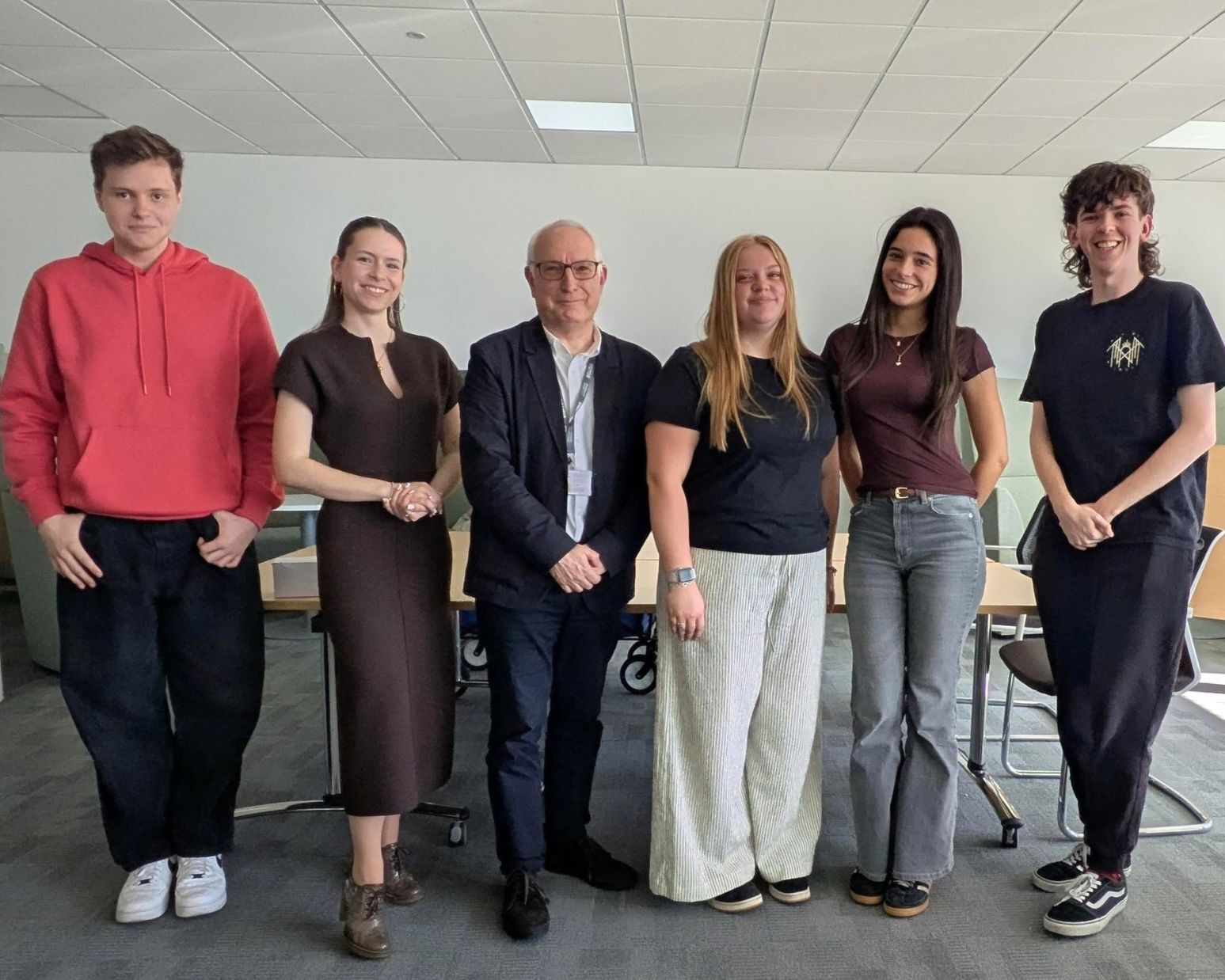
On 24th April, Neil Duncan-Jordan, MP for Poole, dedicated an hour to meeting with student representatives, offering insights into local politics and exploring how young people can influence change within their community. The session provided a valuable platform for students to raise concerns about issues directly affecting their daily lives, including the ongoing housing crisis, disruptive roadworks contributing to traffic congestion, and the impact of these developments on water pollution.
In response to the discussion, Neil Duncan-Jordan, MP, emphasised the need for meaningful housing reform. He highlighted the importance of ensuring that office-to-residential conversions meet high living standards, making them viable and affordable options for young people seeking housing. The conversation also turned to sustainable transport, with students expressing views on the role of cycle lanes and the varying public attitudes towards their implementation.
Central to the visit was Neil Duncan-Jordan’s aim to better understand the perspectives of young people on local issues. He encouraged students to engage actively in the political process, suggesting practical ways to get involved, such as joining a political party, volunteering for campaigns or policy initiatives, following MPs on social media, supporting candidates, and even integrating personal interests into political engagement.
He also underscored the long-term benefits of early political involvement, noting how such experiences can enhance CVs and open up future career opportunities.
Holly Tyack, Student Engagement and Enrichment Lead, commented: “Opportunities like this are incredibly valuable. By facilitating meaningful conversations with local decision-makers, we can empower and engage young people’s voices, ensuring they are heard and valued in shaping the communities they live in.”
She added: “By interacting directly with local decision-makers, students are able to build confidence while developing key skills such as communication, leadership, and critical thinking. These experiences complement their practical career training, supporting their growth as informed, proactive members of the community.”
Latest News
 18th May 2026
College Training Programme Supports Unemployed Local People into Jobs at New M&S Store in Branksome
 14th May 2026
Bournemouth and Poole College Receives the Keys to New £37m Compass Building
 12th May 2026